
 Bulgaria
  Greece
  Turkey
  Romania
  Serbia
  N. Macedonia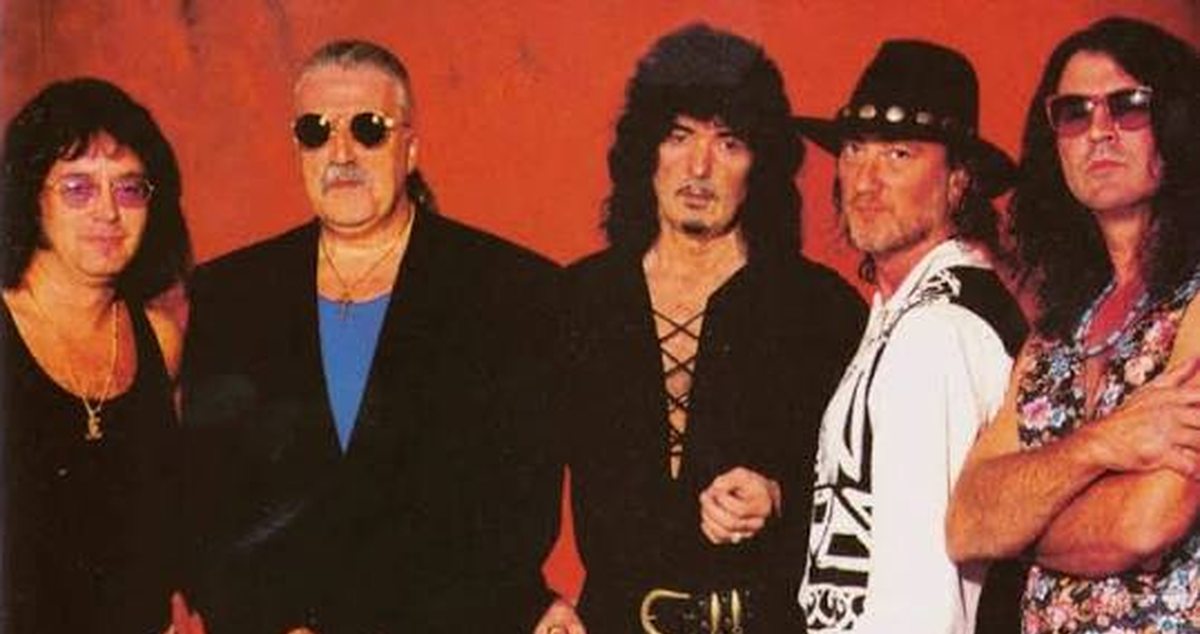
🎸 In 1984, Deep Purple's classic lineup – Ritchie Blackmore (guitar), Jon Lord (keyboards), Ian Paice (drums) and Roger Glover (bass) – reunited with Ian Gillan on vocals. The result was the album "Perfect Strangers", an international hit that returned the band to the forefront of the rock scene.
⚡ Behind the scenes, however, relations gradually deteriorated. Blackmore sought a more structured process of composition and rehearsal, while Gillan preferred the free, improvisational style where melody takes shape in motion and musicians react spontaneously to the audience. The two philosophies clashed directly: Blackmore accused Gillan of a frivolous attitude to rehearsals and changing lyrics during performance, while Gillan saw him as becoming a dictatorial leader, suffocating the natural interaction between musicians.
💥 Tensions reached a peak in mid-1989, when Blackmore issued an ultimatum – either Gillan leaves, or he himself leaves the band. Glover, Lord and Paice tried to mediate, but eventually succumbed to the pressure to keep the lineup intact. Gillan was officially dismissed. Later, in his autobiography and in interviews with The Times, he admitted that the atmosphere in the band had become toxic and that excessive partying and lack of musical focus had destroyed the creative attraction between them.
🎤 In his place came American Joe Lynn Turner, known from Rainbow, with whom they released the albums "Slaves and Masters" (1990) and "The Battle Rages On" (1993). Despite his talent, fans struggled to accept the new voice, and the audience felt the absence of that particular synergy between Gillan and Blackmore.
🔄 In 1993, Gillan returned – a move seen as restoring the classic "Mark II" lineup. A tour followed and the recording of the album "Purpendicular" (1996), which again showed the restored connection between musicians on stage.
🚪 The lineup remained stable until 2002, when Blackmore finally left due to new creative disagreements. The band maintained its spirit thanks to the mutual respect between Gillan, Paice, Glover and Lord, although the sound took a more open, collaborative direction without the dominant control of previous years.
🎶 Blackmore's place was taken by Steve Morse, with whom they released "Bananas" (2003), "Rapture of the Deep" (2005) and "Now What?!" (2013) – a period of spontaneous, improvisational freedom, but still with the familiar spirit of the band.
🕊️ In 2012, Jon Lord passed away after a long battle with illness. Keyboards were taken over by Don Airey, bringing new sonic ideas but maintaining the balance between structure and improvisation. Since 2022, guitar has been in the hands of Simon McBride, who fits into the established model of the band – mutual respect, freedom for improvisation and shared creative process.
🔥 The conflict between Gillan and Blackmore in the 80s embodies the clash between two creative philosophies – strict control versus free improvisation. The dismissal in 1989 was mainly due to personal disagreements and differences in professional ethics, and the return in 1993 brought new maturity. Since then, Deep Purple have continued to bring to the stage that live, spontaneous feeling that has always been at the core of their sound.
📅 View date and tickets in the calendar